Featured
CompanyAug 3, 20265 min
A new RTHMN is taking shape
The August 2026 rebrand gives two years of product decisions a clearer voice
Open article→
The product decisions, tradeoffs, mistakes, and working ideas behind a simpler way to read changing markets.

A serious tool can be direct, responsive, and learnable without pretending markets are easy
The compiled terminal keeps broker access and execution supervision close to the person operating it
The migration gives durable product rules one stricter home
A strategy has to survive recorded market state before it gets near a broker
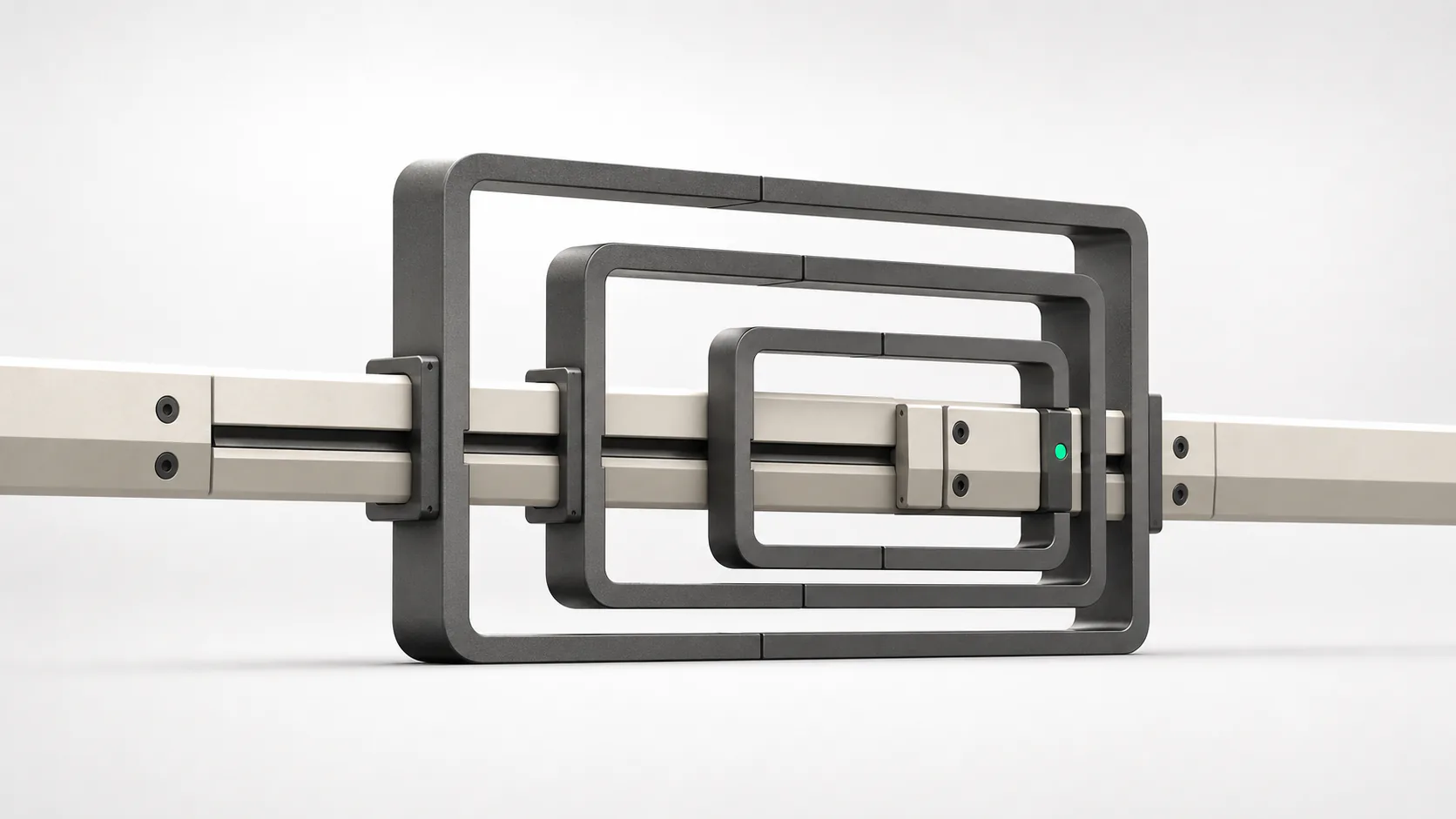
One live model keeps context intact instead of rebuilding it from isolated screenshots
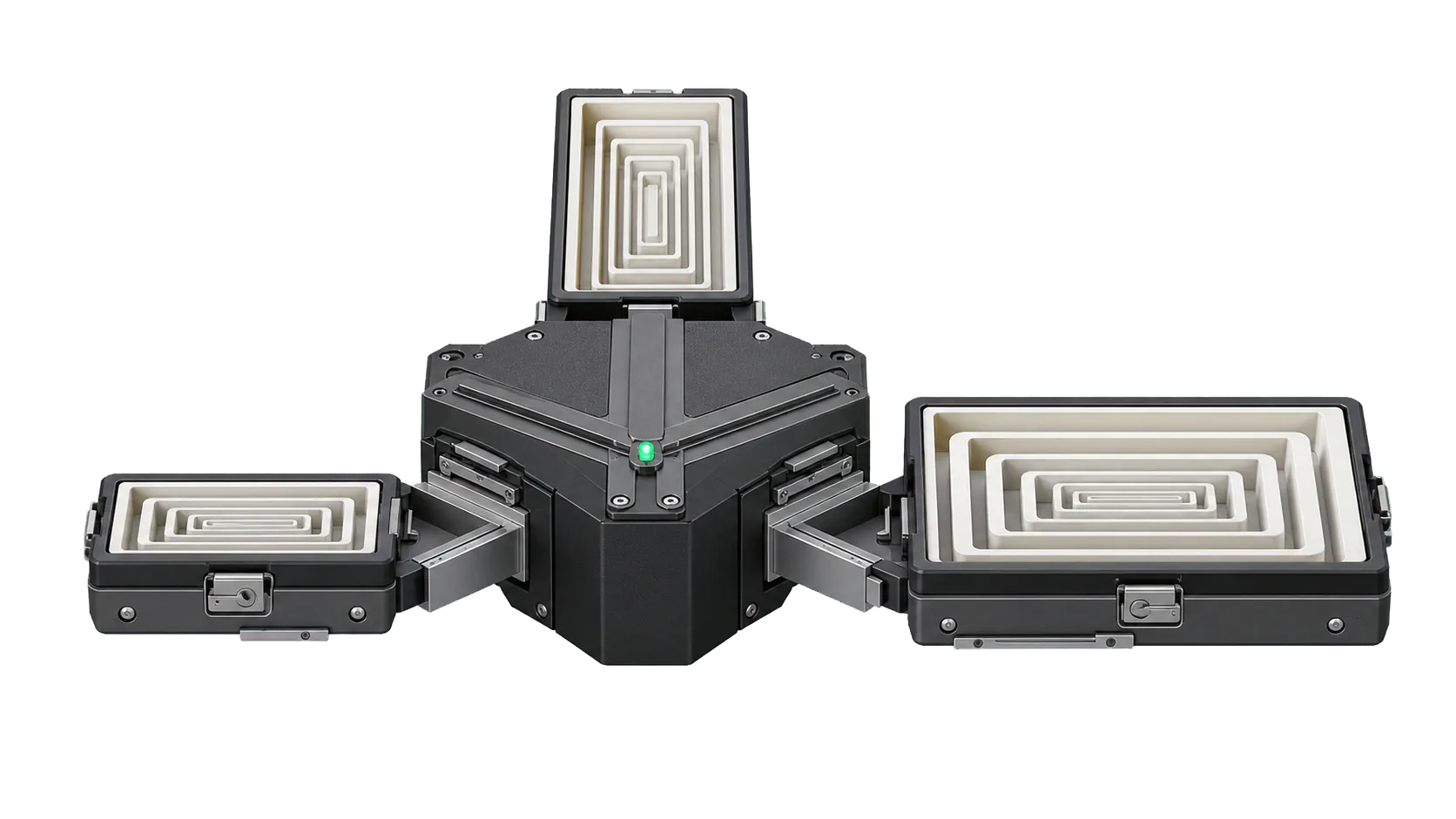
Why the durable parts of RTHMN live in Rust
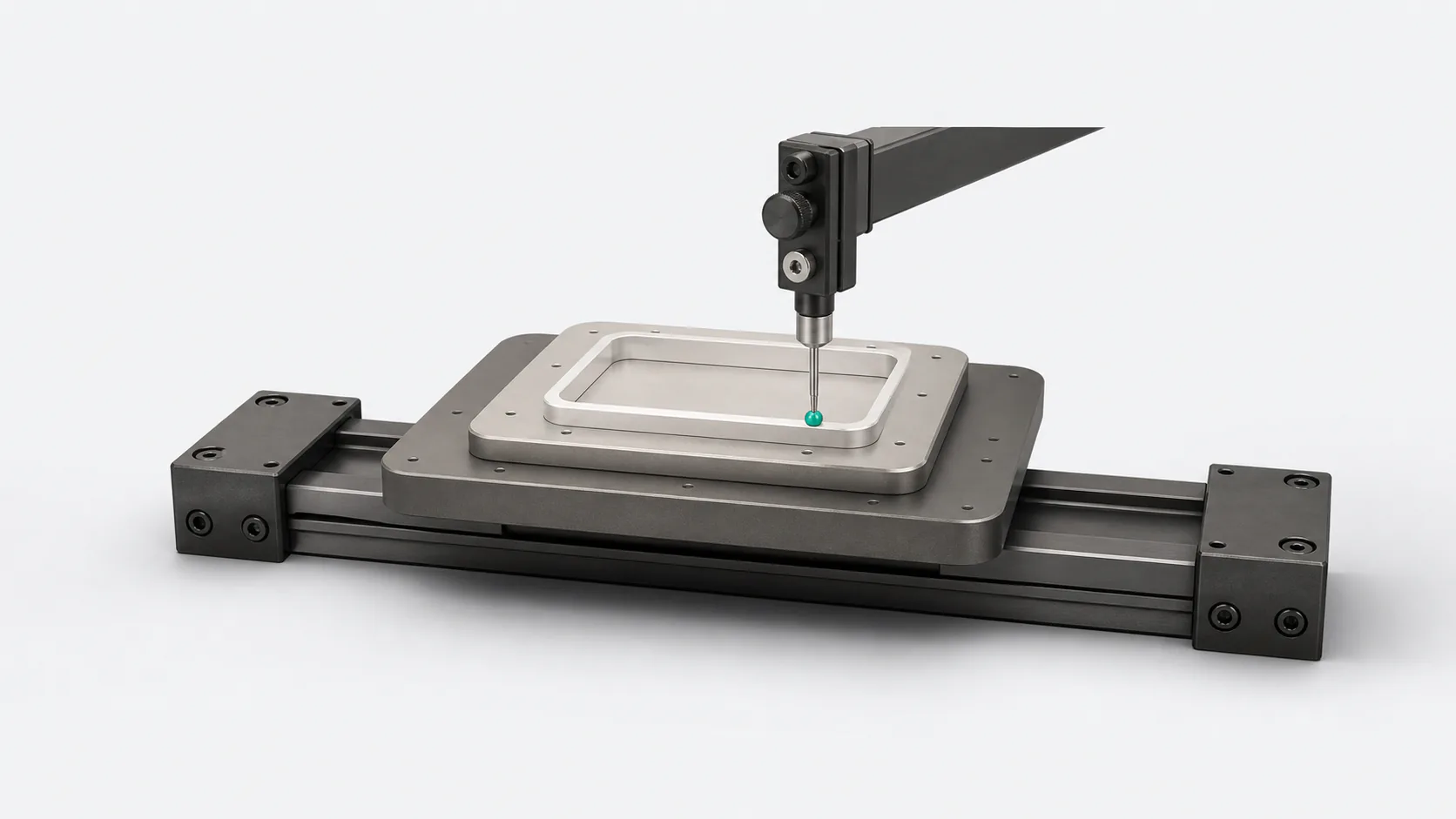
Trend Hints turn pattern matches into a user-controlled monitoring loop
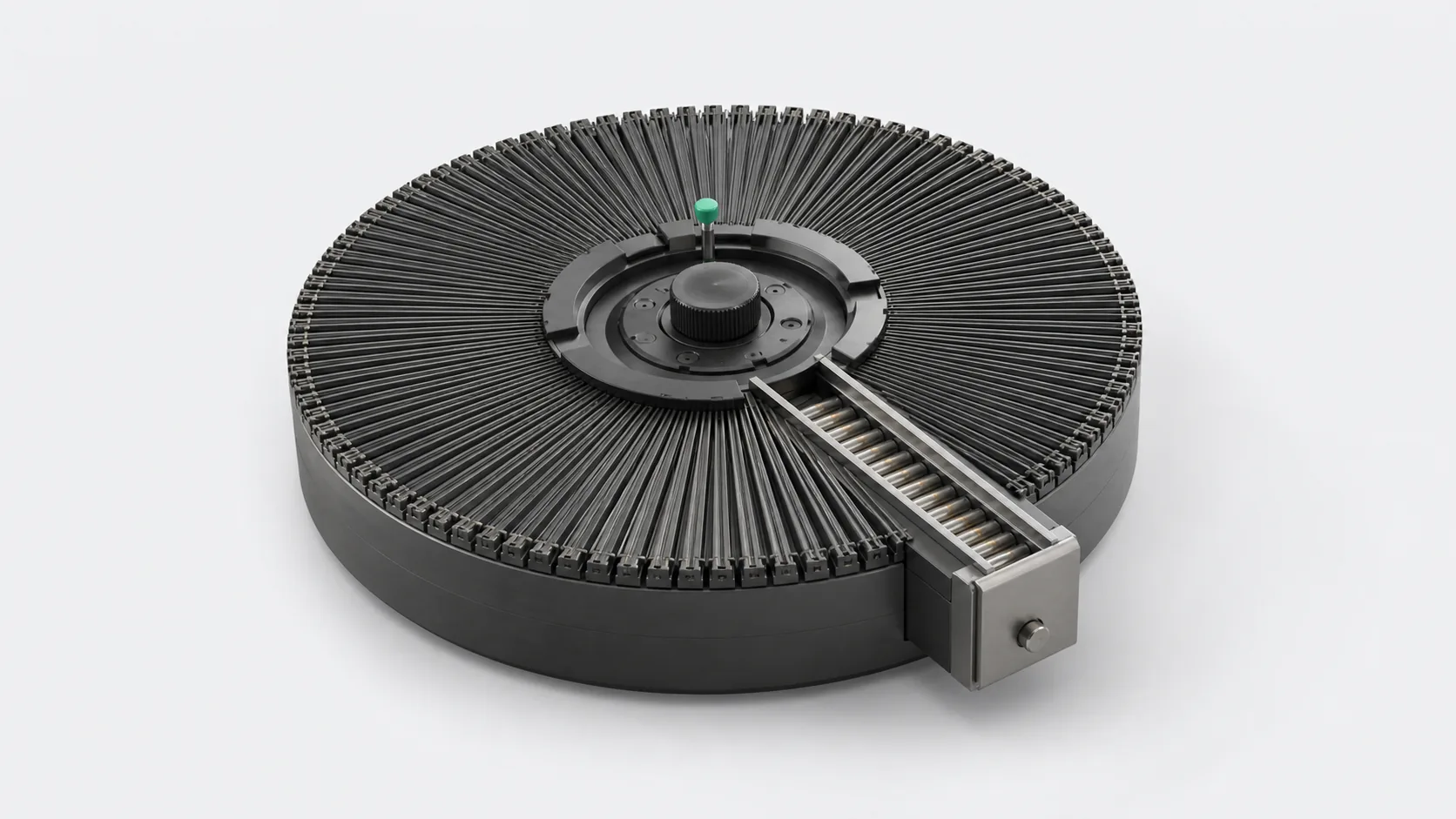
A large pattern library matters only when the current market makes one part of it relevant
Ryver turns range changes into a continuous path without returning to candle intervals
Practical rules keep a live product composed as it grows
Lessons use the product’s visual language instead of an endless catalog of trading opinions
Why fixed price ranges remain the product's basic unit
The dashboard becomes useful when every instrument shares the same visual grammar

The line view keeps range structure while making changes easier to follow